Source Diesel Compression Kitchen Garbage Truck for Municipal, Commercial, and Residential Uses
Compare 30 diesel compression kitchen garbage trucks from verified Chinese manufacturers. These vehicles feature manual and automatic transmissions, varying tank volumes, and robust steel construction for efficient waste collection in diverse settings.
Key considerations
Products List


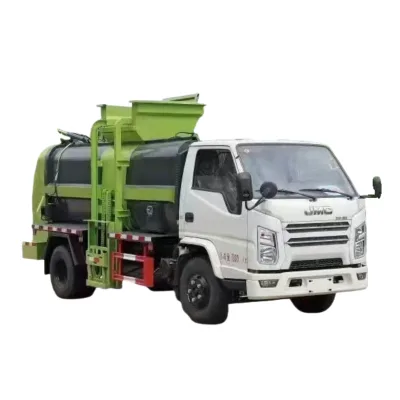
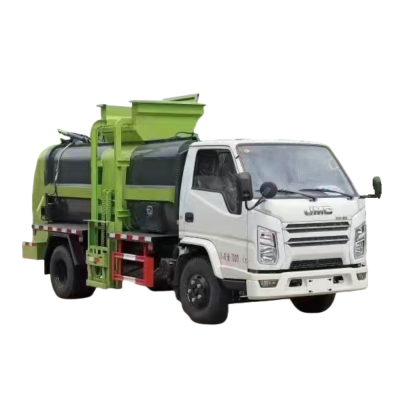


Factory Sales 3cbm 4cbm Waste Compactor Vehicle Compression Garbage Truck
$16000.00 - $18000.00
Moq: 1


Comprehensive Sourcing Guide
Strategic Sourcing Guide for Diesel Compression Kitchen Garbage Trucks
Procuring heavy-duty sanitation equipment requires a rigorous understanding of technical specifications, regulatory compliance, and operational efficiency. The diesel compression kitchen garbage truck represents a specialized segment of the waste management fleet, designed to handle high-density organic waste with minimal environmental impact. Buyers entering this market must navigate a landscape defined by specific chassis configurations, compaction mechanisms, and strict emission standards. This guide synthesizes available market data to provide a structured approach for evaluating potential suppliers and selecting the right vehicle for municipal or commercial waste collection needs.
Technical Specifications and Chassis Configuration
The foundation of any reliable garbage truck lies in its chassis and powertrain. Market observations indicate that diesel-powered units are the dominant choice for this application, offering the necessary torque for frequent stop-and-go collection cycles. Buyers should expect to encounter vehicles with engine capacities ranging from 6 to 8 liters, delivering horsepower between 351 and 450hp. This power range is critical for driving the hydraulic compaction system and maintaining performance under full load conditions.
Transmission systems vary between manual and automatic configurations. While manual transmissions offer direct control and potentially lower maintenance costs in specific regions, automatic transmissions are increasingly common for improving driver comfort and reducing fatigue during urban routes. The drive wheel configuration is a key differentiator; data suggests the availability of both 4×2 and 8×4 configurations. The 8×4 drive wheel setup is particularly relevant for heavy-duty applications requiring superior traction and load distribution, often associated with larger compaction bodies.
The physical dimensions and weight capacities are equally vital. Standard models in the observed market range have a Gross Vehicle Weight (G.V.W.) of approximately 11,995 kg, with a curb weight around 6,290 kg. This allows for a rated load capacity of roughly 5,575 kg, ensuring the vehicle can carry significant volumes of compacted waste without exceeding legal road limits. The wheelbase typically measures 3,800 mm for larger units, providing stability, while smaller variants may feature a 2,600 mm wheelbase for enhanced maneuverability in tight urban environments.
Compaction Volume and Operational Efficiency
The primary function of a compression garbage truck is to maximize the volume of waste collected per trip. The compaction mechanism is driven by a hydraulic system, often featuring a push plate that cycles to compress waste into the rear chamber. Operational data highlights specific performance metrics for these systems. For larger models, the tank volume can reach up to 8 cubic meters, with a total liquid capacity (including water for cleaning) ranging from 6,001 to 10,000 liters. Smaller, more agile units may offer volumes between 3,001 and 6,000 liters.
Efficiency is measured by cycle times. A typical push plate cycle time for a large unit is approximately 70 seconds, while the rear door opening and closing mechanism operates in about 16 seconds. For smaller models, the unloading time is recorded at 50 seconds, with a feeding cycle time of 20 seconds. These figures are essential for calculating the total number of collection points a single truck can service in a shift. The "Compression Type" usage designation confirms that these vehicles are engineered specifically for densifying waste, reducing the frequency of trips to disposal sites.
Material Integrity and Structural Reinforcement
The durability of the waste body is paramount, as it is subjected to constant abrasion, chemical exposure from organic matter, and hydraulic pressure. The steel thickness for the main body is observed to be 5mm, a standard that balances structural integrity with weight constraints. To further enhance strength, manufacturers utilize reinforcing ribs, which prevent deformation during the high-pressure compaction phase.
Surface treatment is another critical aspect of material integrity. The derusting grade is specified as SA3.0, indicating a high level of surface preparation prior to painting. This grade ensures that the protective coating adheres effectively, significantly extending the lifespan of the vehicle. Furthermore, the interval time between rust removal and painting is strictly controlled, typically less than 4 hours, to prevent re-oxidation of the steel surface. This attention to detail in the manufacturing process directly correlates to the long-term reliability of the truck in harsh operating conditions.
Compliance, Certification, and Emission Standards
Navigating the regulatory landscape is a non-negotiable step in B2B procurement. Buyers must verify that the vehicle meets the emission standards applicable to their region. The observed market data references Euro standards, which are critical for urban air quality compliance. Additionally, tire certifications such as ECE, GCC, and ISO are frequently listed, ensuring that the tires meet international safety and performance benchmarks.
Certification bodies play a significant role in validating the vehicle's quality. The ISO certification is a common standard observed in the supply chain, often accompanied by CCC (China Compulsory Certification) for domestic sales. The product standard dimensions, such as 11,995×2,550×3,860 mm for larger units and 6,470×2,250×2,820 mm for smaller ones, must align with local road regulations regarding width, height, and length. Buyers should request documentation proving that the specific model, such as the CLW5310ZYS6WL or JLL5120TCAEQE6, adheres to these dimensional and safety standards before finalizing a purchase.
Cost Drivers and Pricing Dynamics
The pricing of diesel compression garbage trucks is influenced by a complex interplay of factors, including engine power, compaction volume, and the level of customization. The observed price range in the market spans from $3,200 to $99,999. This wide variance reflects differences in chassis origin, brand reputation, and the complexity of the hydraulic system. It is important to note that the minimum order quantity (MOQ) for these specialized vehicles is typically 1 unit, allowing for flexible procurement strategies for municipalities or private waste management companies.
Cost drivers include the brand of the chassis, such as Dongfeng or Foton, which are prominent in the observed data. The choice between manual and automatic transmission also impacts the final cost. Furthermore, customization options, such as specific packing requirements or tailored body dimensions, can increase the price. Buyers should be aware that "Standard Packaging" is common, but "Customized" packing is available, which may incur additional logistics costs. Understanding these variables helps in creating a realistic budget that accounts for both the initial acquisition cost and the long-term operational expenses.
Supplier Evaluation and Quality Assurance
When evaluating suppliers, buyers must look beyond the initial price quote. The origin of the vehicle, often listed as Suizhou City, Hubei Province, or generally China, provides context for the manufacturing ecosystem. However, the specific supplier name should not be the sole determinant of quality. Instead, focus on the supplier's ability to provide detailed technical documentation, including the product model, standard dimensions, and certification proofs.
Quality control measures should be verified through the supplier's adherence to production standards. The presence of specific product attributes, such as the "Reinforcing Rib" for strength and "SA3.0" derusting grade, serves as a proxy for the supplier's commitment to quality. Buyers should request evidence of the interval control between rust removal and painting, as this is a critical step in preventing premature corrosion. Additionally, the "According to Fact" or "Standard Packaging" notes indicate that the supplier is transparent about their logistics capabilities, which is essential for ensuring the vehicle arrives in pristine condition.
Long-Term Procurement and Operational Considerations
Selecting a diesel compression garbage truck is a long-term investment that impacts the efficiency of the entire waste management operation. The maximum speed of 103 km/h to 110 km/h and the maximum climbing gradient of 30% are key performance indicators that determine the vehicle's versatility across different terrains. A truck with a higher climbing gradient is essential for hilly cities, while a higher maximum speed aids in rapid transit between collection zones.
Maintenance and spare parts availability are also critical. The use of well-known brands like Dongfeng or Foton often implies a robust network of authorized service centers and spare parts availability. The "New" condition of the observed products ensures that buyers are acquiring vehicles with the full lifespan of their components, reducing the risk of immediate repairs. Buyers should also consider the clean water tank volume (400L) and wastewater tank volume (500L), which are integral to the vehicle's self-cleaning capabilities and environmental compliance.
In conclusion, sourcing a diesel compression kitchen garbage truck requires a meticulous review of technical specifications, material quality, and regulatory compliance. By focusing on the observed data points—such as the 351-450hp engine range, 5mm steel thickness, and specific compaction cycle times—buyers can make informed decisions that align with their operational needs. The wide price range and customizable options provide flexibility, but the ultimate goal remains the acquisition of a durable, efficient, and compliant vehicle that enhances the effectiveness of waste collection services.
FAQs
What engine power range is typical for diesel compression kitchen garbage trucks?
Typical units offer horsepower between 351 and 450hp to handle heavy compaction loads. This power range ensures sufficient torque for frequent stop-and-go cycles while driving the hydraulic system effectively under full load conditions.
Which transmission types are available for these diesel garbage trucks?
Both manual and automatic transmission types are available in the current market. Buyers can choose manual for direct control or automatic for improved driver comfort and reduced fatigue during urban collection routes.
How much waste volume can these trucks typically carry?
Tank volumes generally range from 3,001 to 10,000 liters depending on the model size. Larger units may reach 8 cubic meters, while smaller variants offer capacities between 3,001 and 6,000 liters for agile urban operations.
Can these trucks be customized for specific packing requirements?
Yes, customization is available for packing and other specific operational needs. Suppliers offer standard packaging options but also provide customized solutions to align with unique logistical or regulatory requirements of the buyer.
What certification standards do these vehicles typically meet?
Vehicles often carry ISO and CCC certifications alongside tire certifications like ECE and GCC. These standards ensure the trucks meet international safety benchmarks and regulatory compliance for both domestic and export markets.
What is the standard steel thickness for the waste body construction?
The steel thickness for the main body is typically 5mm to balance strength and weight. Reinforcing ribs are added to enhance structural integrity and prevent deformation during the high-pressure compaction phase.
How long does the push plate cycle take for compaction?
Large units typically complete a push plate cycle in approximately 70 seconds. This timing is critical for calculating operational efficiency and determining the total number of collection points a single truck can service per shift.
What is the maximum climbing gradient these trucks can handle?
These trucks can handle a maximum climbing gradient of 30 percent. This capability ensures versatility across different terrains, making them suitable for hilly cities or areas with significant elevation changes during waste collection.